The Best Korean Toners for Hydration and Glass Skin

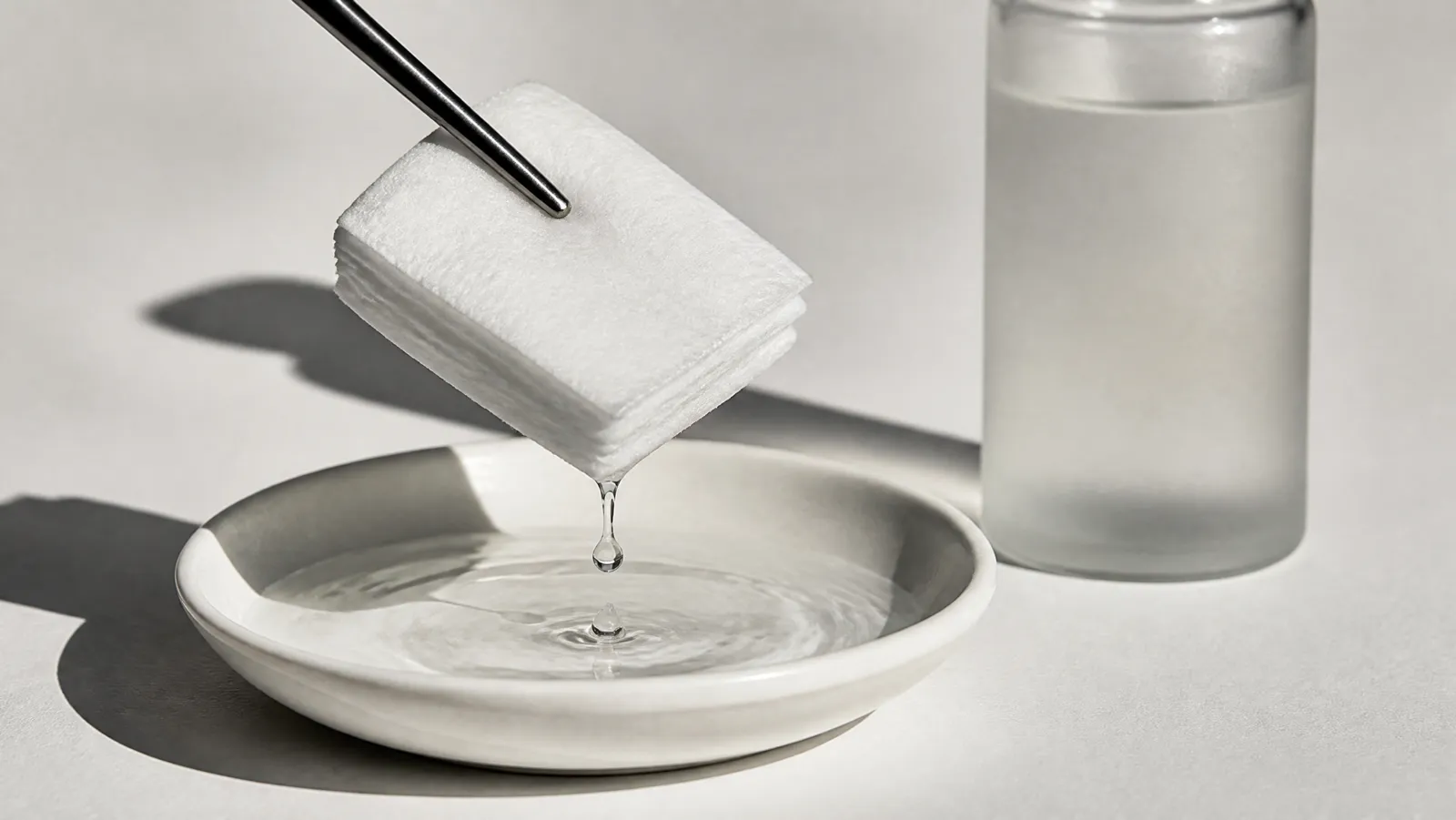
The first toner I ever owned came in a blue bottle, smelled like a nail salon, and left my cheeks tight enough to squeak. Korean toners rewrote that job description entirely. If you want the short answer, the best Korean toner for most people is the Anua Rice 70 Glow Milky Toner, a milky 70% rice-water formula with niacinamide and ceramides that adds glow without stickiness or fragrance. Some links below are affiliate links, and if you buy through them I may earn a small commission at no cost to you.
I am a certified skincare specialist, and I have gone through more bottles of Korean toner than I care to admit, including a few I abandoned halfway. Below are six I stand behind, sorted by who they are actually for: dull and dehydrated skin, reactive skin, texture and redness, very dry skin, chaotic mornings, and a tight budget. This guide covers the toner step of the best Korean skincare routine, so if you are building a full regimen, start there and use this page to fill in the second step.
What a Korean toner actually does
Here is the honest history. According to Dermatology Times, toners were originally invented to wipe away the sticky residue that lye-based soaps left behind when they met hard water, and since almost nobody washes with lye soap anymore, that original job has quietly disappeared. The same piece points out that toning is not strictly necessary for skin health. I agree, and I still use one every day, because the Korean version of this product is doing something different.
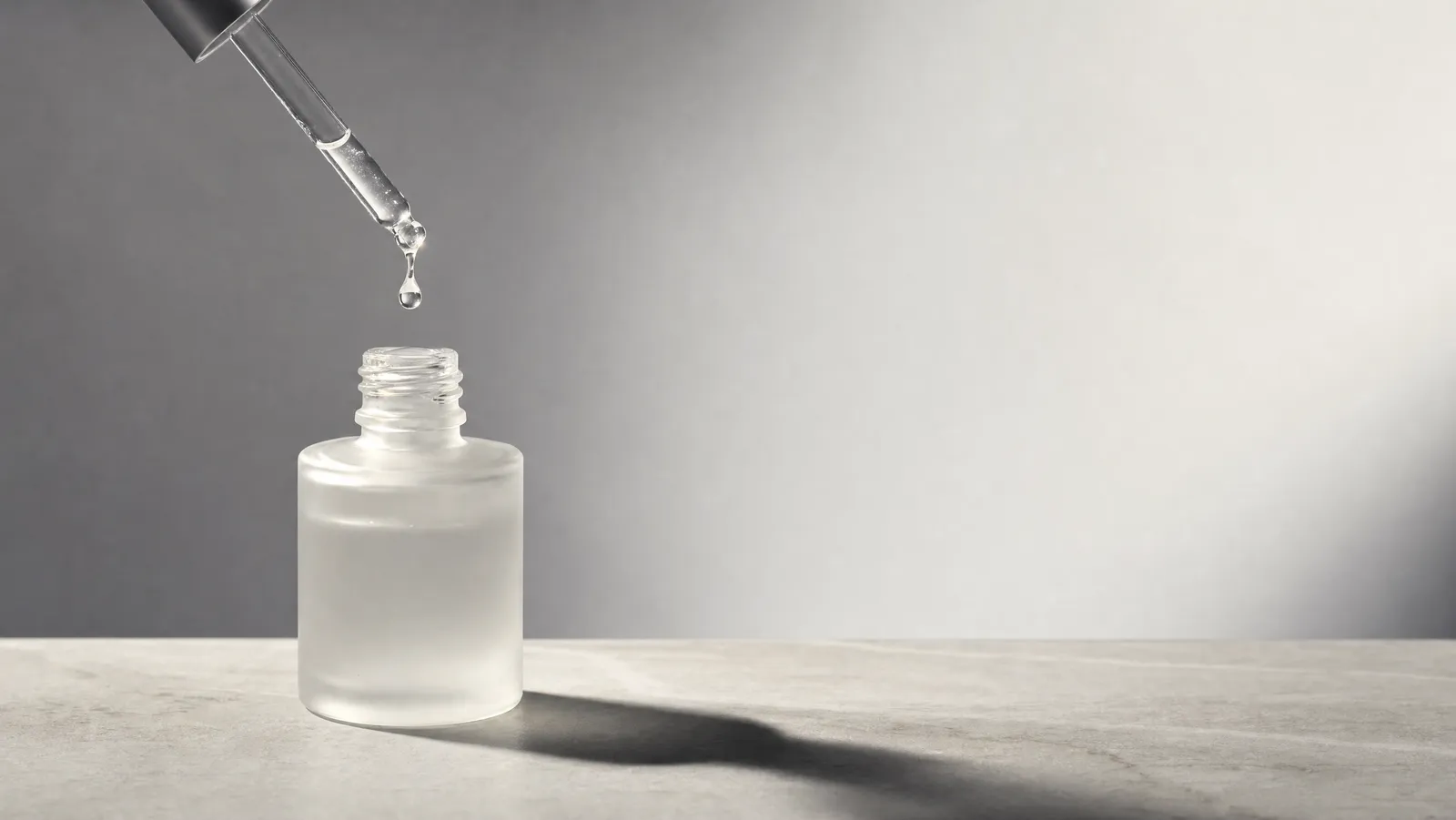
A Korean toner is a thin hydrating layer, not a solvent. The Korean word used for this step translates loosely to "skin," and the goal is to put water and humectants onto damp skin so everything you apply afterward has something to hold onto. It goes on immediately after you wash, which is why the toner you pick and the cleanser you pick are a package deal. If your face feels stripped before the toner even touches it, fix that first with one of the best Korean cleansers, because no toner can rescue a cleanser that is too harsh.
What about the pH-balancing pitch? It is oversold, but not fiction. In the Indian Journal of Dermatology, Venereology and Leprology, Kumar and Das report that healthy adult skin sits at a surface pH of roughly 5.4 to 5.9, within a wider individual range of about 4 to 6, and that this acidity matters: it helps maintain the permeability barrier, keeps the lipid-processing enzymes working, and favors normal flora over pathogenic bacteria. A gentle, slightly acidic cleanser is what protects that number. A hydrating toner is mostly along for the ride, adding water and comfort rather than performing a chemistry rescue.
How to choose the best Korean toner for your skin
- Decide first whether you want hydration or exfoliation. Most Korean toners are hydrating layers. A few, like the Son&Park Beauty Water, do light daily exfoliation as well. Pick one lane. Stacking an exfoliating toner on top of a retinoid or an acid serum is how sensitive skin gets angry.
- Read the fragrance and alcohol lines, not the marketing. This is where "gentle" claims fall apart. The budget pick here, THE FACE SHOP Rice Ceramide Moisturizing Toner, lists both fragrance and alcohol denat. in its ingredient list. It is a lovely, rich toner for around $14 as of July 2026, and I would still not hand it to someone with reactive, eczema-prone skin.
- Match the texture to your skin, not the trend. Watery toners disappear in a second and layer endlessly. Milky and essence-style toners feel more substantial and suit dry skin in winter. If you get oily by noon, a thin formula and one extra layer will feel better than one thick one.
- Choose bottle or pads deliberately. Pads are pre-soaked and let you swipe, or press them on as a short mask. Bottles are cheaper per use and waste nothing.
- Do the math on size. A 340 ml bottle and a 5 fl oz bottle at similar prices are not the same purchase. Prices in the cards below are current as of July 2026, and cost per ounce is the number worth comparing when you plan to use something twice a day.
- Patch test anything new. Two days on your inner forearm or along your jaw costs you nothing. It is the cheapest insurance in skincare, and it matters more with fragranced or exfoliating formulas.
Rice, hyaluronic acid, and PHA: what is actually doing the work
Rice is the signature ingredient, and the research is genuinely interesting. A 2025 review in Cosmetics on rice fermentation products describes rice-derived ingredients as rich in antioxidants such as ferulic acid, gamma-oryzanol, vitamin E, and antioxidant peptides, which help neutralize free radicals. A 2025 paper in Frontiers in Pharmacology went further and found that fermented rice bran extract increased collagen and elastin synthesis and reduced water loss in laboratory cell models and in mouse skin after 28 days.
That is promising, not proof. Those were lab and animal models, not human trials of a finished toner, and a bottle listing 70% or 77.78% rice extract is not a firming treatment. What rice-based toners tend to do in my experience is leave skin softer, more comfortable, and a little more luminous, which is exactly the payoff people are buying them for.
Humectants are the real hydration engine. Glycerin, hyaluronic acid, panthenol, and beta-glucan all work by attracting and binding water into the outermost layer of skin. As DermApproved explains, humectants pull water from their surroundings and hold it in the stratum corneum, which is why the timing advice matters so much: apply your toner while your face is still damp, then seal it with moisturizer before that water evaporates. High-molecular-weight hyaluronic acid mostly holds water in a film at the surface, while glycerin is small enough to work a little deeper. A good formula usually includes both.
Ceramides and centella play defense. Ceramides are part of the lipid mortar in the skin's outer barrier, which is why they show up in the Anua toner (paired with rice protein, in a blend the brand calls RICE CERA-PROTEIN) and as ceramide NP in THE FACE SHOP formula. Centella asiatica and panthenol, the backbone of the SKIN1004 pads, are the classic Korean choices when skin looks flushed and irritated and you want to calm it down rather than treat it.
PHA is one of the gentlest ways to exfoliate at the toner step. Polyhydroxy acids like gluconolactone are larger molecules than glycolic acid, so they work more superficially. In a clinical study published in Cutis, a PHA regimen delivered antiaging effects comparable to an AHA regimen and was better tolerated by participants. That is the trade I like at this step: less sting, slower results.
My top picks at a glance
The Anua Rice 70 Glow Milky Toner is my top pick because it does the most jobs well at once. Anua says the rice water and niacinamide target dullness while its ceramide-and-protein blend supports the moisture barrier, and it is fragrance-free, which makes it easy to recommend broadly. If your skin is reactive, the haruharu Black Rice Hyaluronic Toner is the safer bet: it is the version of that formula built without essential oils, and it is the least eventful hydrating layer on this list, which is a compliment. For bumpy texture and pink patches, the SKIN1004 Centella Quick Calming Pad is the one I keep restocking. Full details, specs, and current prices for all six are in the product cards below.
Toner pads versus a bottle of toner
Pads earn their place for two reasons: control and speed. The SKIN1004 set contains 70 triple-layer pads in Centella asiatica, panthenol, and hyaluronic acid, and it ships with tweezers because the intended trick is not just swiping. Per the brand's instructions, you lay pads on your cheeks, forehead, or wherever you are unhappy for three to five minutes, lift them off, then press the leftover essence in. It is a four-minute mask hiding inside a toner. Stashing the jar in one of the best beauty fridges makes that cooling effect noticeably better on a hot morning or after too much sun.
One caution you should not skip. These pads exfoliate gently, and the label's own warning states that the product contains an alpha hydroxy acid that may increase your skin's sensitivity to the sun and the possibility of sunburn, so you should use sunscreen, wear protective clothing, and limit sun exposure while using it and for a week afterward. That is not the brand being dramatic. The U.S. Food and Drug Administration recommends exactly that "Sunburn Alert" wording for any cosmetic that contains an alpha hydroxy acid as an ingredient, because its own studies found that topical AHA use increased volunteers' sensitivity to UV light. The agency also notes that the effect is reversible, with no significant difference left one week after use stopped, which is why the recommended wording covers that week. Use the pads at night, use sunscreen every morning, and the risk is easy to manage.
Bottles win on economy and control. You choose how much you use, you can layer as many times as you want, and nothing gets thrown away. That is why my everyday toner is a bottle and my pads live in the fridge for flare-ups and travel.
The 7 skin method, and where a toner stops being a toner
If you have seen the glass skin look and wondered how anyone gets skin that reflective, the layering habit is a big part of it. The 7 skin method is a Korean technique where you pat on up to seven thin layers of a watery toner back to back, letting each one sink in before the next, instead of applying one heavy moisturizer. It is not magic and there is no study telling you seven is the correct number. It is a practical way to build up water in the skin without occlusive heaviness, and it works best with a simple, alcohol-free, fragrance-free formula. Three layers on a dry winter night is plenty for me.
Two honest caveats. Layering only helps if you seal it, since humectants pull in water that will happily evaporate again if you leave it uncovered. And if your toner is exfoliating, or contains alcohol like the THE FACE SHOP formula does, do not layer it seven times.
Where a toner ends and an essence begins is fuzzier than the marketing suggests, and it varies by brand more than by category. Roughly, toners are the thinnest and come first, essences are slightly more concentrated hydrating treatments, serums are more targeted, and ampoules are the most concentrated of all. The I'm From Rice Toner is a good illustration: it is sold as a glow essence toner and it feels thicker than a standard toner, which is a large part of why dry skin loves it. If you want the fuller breakdown of the difference between essences, serums, and ampoules, that is a guide of its own, and if you already know you want a hydrating layer with more substance, a snail mucin essence is the classic next step after toner.
How I use a Korean toner, morning and night
- Cleanse and do not fully dry your face. Blot with a towel, leave your skin damp. Damp skin plus a humectant toner is the whole trick.
- Dispense into your palms, not onto a cotton pad. Three to four drops for a watery toner, a small coin-sized amount for a milky one. Cotton absorbs product you paid for and drags on the skin.
- Press, do not wipe. Pat until your skin feels tacky rather than wet, then add a second layer if it still feels thirsty.
- Follow within a minute. Essence, serum, then moisturizer, while the toner layer is still slightly damp.
- In the morning, finish with sunscreen. Every single day, and doubly so if you used PHA pads the night before. One of the best Asian sunscreens is the least negotiable step in this whole routine.
- At night, keep actives apart. If you are using a retinoid or an acid, use a plain hydrating toner underneath it and save the exfoliating toner for another evening.
Frequently asked questions
Do I really need a toner? No. Dermatology Times is right that toning is not required for skin health, and you can get hydration from a moisturizer alone. What a Korean toner buys you is a fast, weightless way to add water at the start of the routine, which makes everything after it apply more comfortably. I keep it because my skin looks better with it, not because it is mandatory.
Should I use a toner morning and night? A gentle hydrating toner is fine twice a day. An exfoliating one, including PHA pads, is better used a few nights a week and always with daily sunscreen.
Cotton pad or hands? Hands, for hydrating toners. You waste less and you skip the friction. Use a cotton pad or a pre-soaked pad when the point is to lift residue or apply an exfoliant evenly, which is where a multitasker like the Son&Park Beauty Water shines.
What is the difference between a rice toner and a regular hydrating toner? Rice toners lead with rice water or rice extract, which brings antioxidants such as ferulic acid and gamma-oryzanol along with the humectants. Both hydrate. Rice-forward formulas tend to feel slightly milkier and are marketed for dullness, and the research on rice-derived actives so far is encouraging but mostly preclinical.
Can a Korean toner clear my acne or fix redness? No, and be careful with anyone who says otherwise. A well-formulated toner may help skin look calmer and more hydrated, and centella-based formulas can be genuinely soothing, but acne and rosacea are medical conditions that need a dermatologist and actual treatment, not a toner.
Can I use a Korean toner with tretinoin? Usually yes, and a plain hydrating layer underneath may make a retinoid easier to tolerate. Skip anything exfoliating or alcohol-containing on those nights, and check with your prescriber if your skin is already irritated.
The bottom line
If you want one bottle that covers hydration, glow, and barrier support without fragrance, get the Anua Rice 70 Glow Milky Toner. If your skin flares at everything, start with the haruharu instead, and if your budget is the deciding factor, THE FACE SHOP toner is a lot of comfort for the money as long as fragrance and alcohol are not dealbreakers for you. Then put the step in context by reading the full Korean skincare routine guide, because a toner is only as good as the cleanser before it and the moisturizer and sunscreen after it.
The Shortlist
Top 3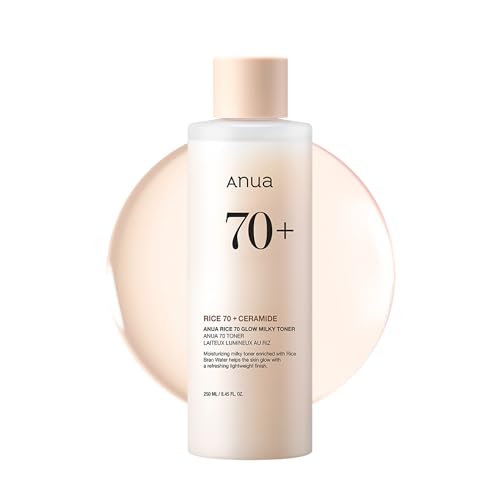
Anua Rice 70 Glow Milky Toner
- Type
- Milky rice toner
- Rice water
- 70%
- Also has
- Niacinamide, ceramides

haruharu Black Rice Hyaluronic Toner
- Type
- Hydrating toner
- Key actives
- Black rice, HA, beta-glucan
- Fragrance
- None (no essential oils)

SKIN1004 Centella Quick Calming Pad
- Type
- Toner pads
- Count
- 70 pads
- Key actives
- Centella, panthenol, HA, PHA
The Reviews
01—06Anua Rice 70 Glow Milky Toner
A milky rice-water toner at 70% rice water with niacinamide and ceramides, built for glow plus barrier support.
- Type
- Milky rice toner
- Rice water
- 70%
- Also has
- Niacinamide, ceramides
- Size
- 8.45 fl oz
- Best for
- Dull, dehydrated skin
A milky rice-water toner at 70% rice water with niacinamide and ceramides, built for glow plus barrier support. Fragrance-free, non-comedogenic, and non-sticky, so it layers cleanly under the rest of the routine.
haruharu Black Rice Hyaluronic Toner
An unscented black-rice toner with hyaluronic acid and beta-glucan, formulated without essential oils for reactive skin.
- Type
- Hydrating toner
- Key actives
- Black rice, HA, beta-glucan
- Fragrance
- None (no essential oils)
- Size
- 5.1 fl oz
- Best for
- Sensitive skin
An unscented black-rice toner with hyaluronic acid and beta-glucan, formulated without essential oils for reactive skin. Vegan and cruelty-free, and one of the gentlest ways to add a hydrating layer.
SKIN1004 Centella Quick Calming Pad
Seventy triple-layer pads soaked in Centella asiatica, panthenol and hyaluronic acid, with PHA for gentle exfoliation.
- Type
- Toner pads
- Count
- 70 pads
- Key actives
- Centella, panthenol, HA, PHA
- Best for
- Redness, uneven texture
Seventy triple-layer pads soaked in Centella asiatica, panthenol and hyaluronic acid, with PHA for gentle exfoliation. Comes with tweezers so you can leave them on as a quick 3-to-5-minute calming mask.

I'm From Rice Toner
The cult glow-essence toner at 77.
- Type
- Glow essence toner
- Rice extract
- 77.78%
- Also has
- Niacinamide
- Free of
- Alcohol, fragrance
- Size
- 5.07 fl oz
The cult glow-essence toner at 77.78% rice extract with niacinamide, aimed squarely at dry skin. Alcohol-free, fragrance-free, vegan and PETA-approved, with a slightly thicker, essence-like feel.

Son&Park Beauty Water
A 3-in-1 cleansing water, exfoliating toner and hydrating step in one bottle, using papaya enzyme instead of AHA or BHA.
- Type
- 3-in-1 beauty water
- Exfoliant
- Enzyme (no AHA/BHA)
- Size
- 340 ml / 11.49 fl oz
- Best for
- Busy mornings, travel
A 3-in-1 cleansing water, exfoliating toner and hydrating step in one bottle, using papaya enzyme instead of AHA or BHA. At 340 ml it is roughly double the usual toner size, which is why it travels so well.

THE FACE SHOP Rice Ceramide Moisturizing Toner
A rich, fast-absorbing rice toner with ceramide NP, rice bran oil and sodium hyaluronate for well under fifteen dollars.
- Type
- Rice ceramide toner
- Key actives
- Ceramide NP, rice bran oil
- Contains
- Fragrance, alcohol denat.
- Size
- 5.0 fl oz
- Best for
- Dryness on a budget
A rich, fast-absorbing rice toner with ceramide NP, rice bran oil and sodium hyaluronate for well under fifteen dollars. The one caveat: it does contain fragrance and denatured alcohol, so it is not the pick for very reactive skin.
About the Author
Kelly Hyde
Kelly Hyde is a certified skincare specialist and beauty trend forecaster, and the founder of Next Gen Beauty Reviews. She spends her time testing the latest K-beauty launches, at-home beauty devices, and skincare tools so you do not have to, and only recommends products she would put in her own routine.