Snail Mucin for Skin: Benefits, Uses, and What the Research Shows

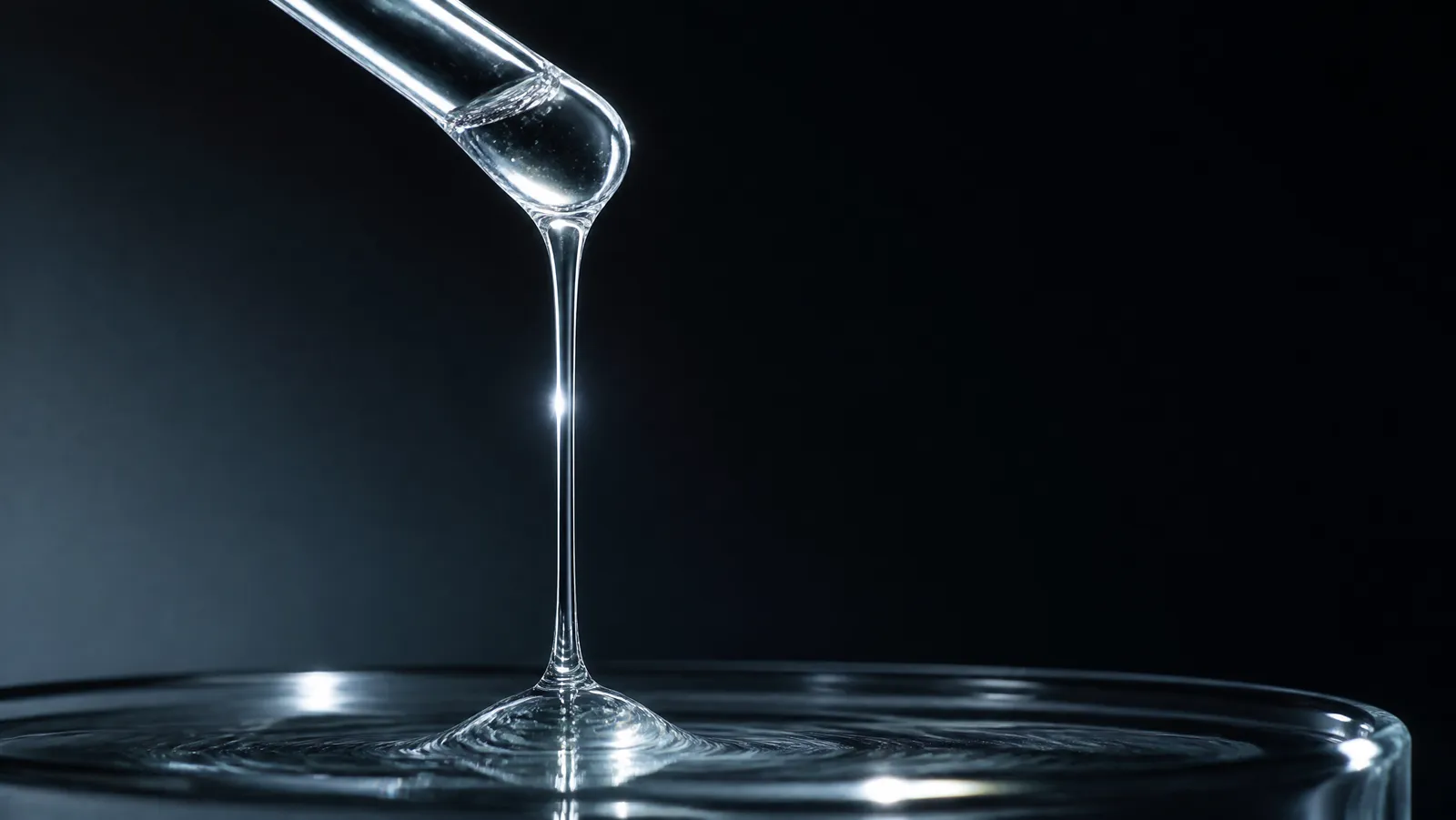
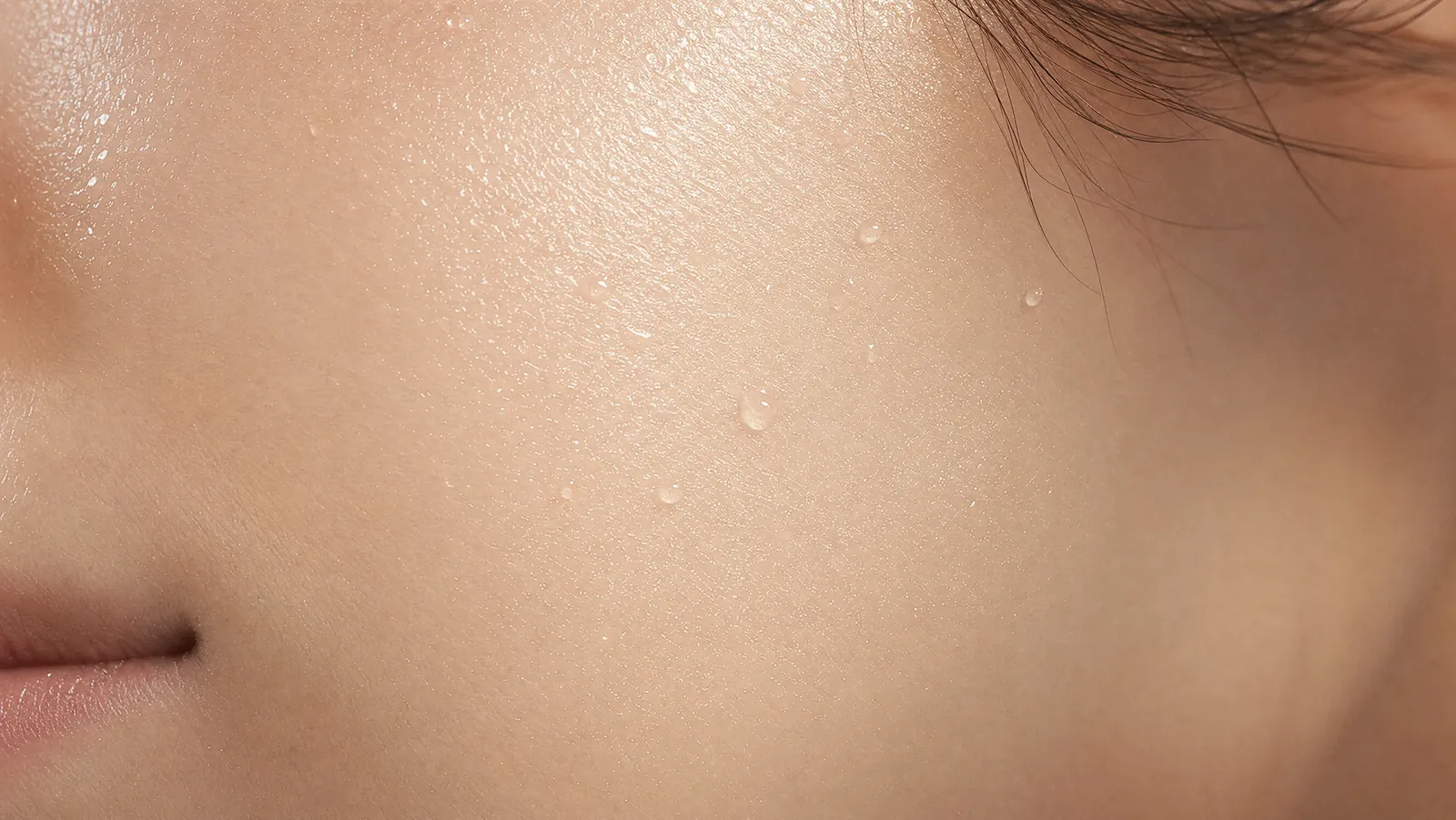
Snail mucin is the most over-promised ingredient in K-beauty and one of the few I have never stopped using. Snail mucin, labeled snail secretion filtrate, is the fluid snails make to stay moist and repair their own skin. Its best-supported benefit is hydration: pulling water into the top layers of skin and slowing how fast it escapes.
Some guides I link to contain affiliate links, and if you buy through them I may earn a small commission at no cost to you. I am a certified skincare specialist, and below I sort the snail mucin benefits by how much evidence sits behind each one, then cover how to use it and the allergy question that gets hand-waved constantly. If you are building a regimen from scratch, start with our complete Korean skincare routine guide and treat this as the deep dive on one step of it.
What is snail mucin, actually?
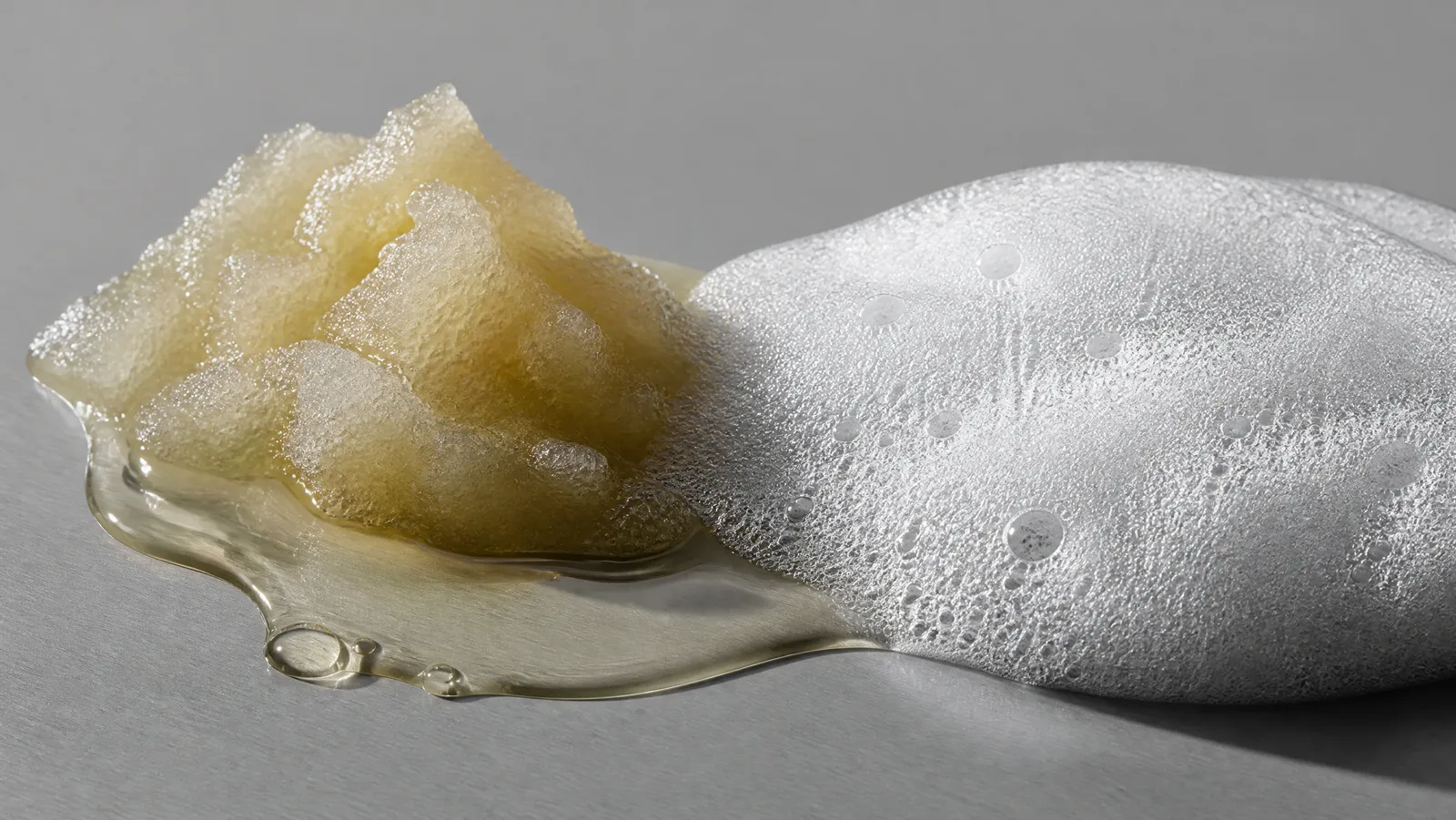
According to Westlake Dermatology, snail mucin is "a fluid that snails naturally produce to help them maintain moisture and repair any damage they experience as they crawl across surfaces." What ends up in your bottle is that fluid, filtered and refined into a clear, nearly odorless liquid labeled snail secretion filtrate.
How it is collected is the part people actually want to know. Westlake Dermatology describes ethical harvesting as using "stimulus free (dark and quiet) environments where all surfaces are made of glass," where snails glide at their own pace and the mucin they leave behind is collected afterward. Not every supplier works that way. Mayo Clinic Press describes methods in which snails are poked with a stick or sprayed with a little sodium chloride to trigger the stress response that produces the protective mucin, and another process in which shells are cracked and the bodies removed before the snails are washed in cold water to separate the mucin.
The honest answer on ethics is that it depends on the supplier, and you often cannot verify it. A 2024 review in the Journal of Cosmetic Dermatology by Singh and colleagues lists ethical concerns around collection as an open problem in this field, alongside insufficient allergy investigation. That is peer-reviewed researchers naming sourcing as unresolved, not a fringe worry. Look for brands that publish their collection standards, and skip the ingredient if you are vegan, because it is animal-derived no matter how gently it was gathered.
What's actually in snail mucin
Snail mucin behaves like several ingredients at once because it genuinely is several ingredients at once. A 2024 paper in Biomolecules and Biomedicine describes snail secretion filtrate as a complex mixture of proteins, enzymes, peptides, glycosaminoglycans, allantoin, glycolic acid, polyphenols, and trace minerals. Here is what each part plausibly contributes.
- Glycoproteins and peptides. Westlake Dermatology says these help reinforce the skin's natural barrier. They get the credit for the cushioned, slightly bouncy feel snail mucin leaves behind.
- Hyaluronic acid. A humectant that helps skin hold water, and the reason snail mucin feels immediately plumping on damp skin.
- Glycosaminoglycans. The larger family hyaluronic acid belongs to. A systematic review in the Journal of Integrative Dermatology notes snail secretion is rich in glycosaminoglycans, which draw water into the skin and help maintain hydration.
- Allantoin. The quiet workhorse. Cleveland Clinic describes allantoin as a humectant that increases the water content of skin, with a keratolytic effect that softens skin proteins and helps loosen dead cells, which is why it turns up in baby products and sensitive-skin formulas.
- Glycolic acid. Cleveland Clinic describes glycolic acid as the smallest alpha hydroxy acid, weakening the bonds between cells in the outermost layers so dead cells release. Here it is a minor component of a mixed filtrate, not a measured active, so do not expect it to act like a dedicated glycolic acid product.
- Antimicrobial peptides and antioxidants. The Journal of Cosmetic Dermatology review notes snail mucin is being studied as an antimicrobial agent, and Mayo Clinic Press mentions its antioxidant content. Both are early-research observations, not acne medication.
One caveat matters more than the ingredient list: there is no standardized snail mucin. The two materials studied most in that Journal of Integrative Dermatology review were secretion from the species Cryptomphalus aspersa and a snail egg extract, and its authors note many trial formulas also contained other regenerative ingredients, which limits how much of any result you can pin on snail at all.
Snail mucin benefits, ranked by how good the evidence is
The research here is real, and it is also small, short, and uneven. Sorting it by strength beats listing every claim as equal.
Tier 1, the well-supported benefit: hydration and less water loss. The Journal of Integrative Dermatology systematic review pooled 10 human clinical studies of snail-based products and found improvements in skin hydration alongside reductions in transepidermal water loss, the rate moisture evaporates out of your skin. Two measurements are worth quoting: a significant decrease in water loss 24 hours after applying 5% and 10% snail creams, and a significant increase in hydration measured by corneometry over the same window. Fast, measurable, repeatable. This is also the benefit that shows up as the plumped, light-reflecting finish people chase in a glass skin routine.
Tier 2, promising but thin: fine lines, elasticity, and texture. The same review reported significant improvement in periocular wrinkles after 12 weeks, a 53% reduction in measured skin roughness by week 12, and increases in skin elasticity of roughly 11% at week 8 rising to 39% at week 12. That periocular result traces back to a single 2013 Journal of Drugs in Dermatology trial that Mayo Clinic Press also describes: 25 people with moderate to severe facial photodamage applied a snail secretion product to one side of the face and a placebo to the other for 12 weeks, with a final check at 14 weeks. Mayo Clinic Press reports significantly improved fine lines, crow's feet, and luminance versus placebo in that trial, and no change in overall photodamage severity.
Encouraging numbers. Now the fine print. Sample sizes across that review ranged from 10 to 120 participants, most between 15 and 50, and its authors repeatedly flag missing control groups as a limitation, stating plainly that the studies lack the sample sizes needed to support long-term regular use. Twelve weeks in a few dozen people is a signal, not a settled fact.
Tier 2, also promising: comfort while skin recovers. The review included work where snail-based products applied after fractional laser treatment were associated with significantly fewer side effects such as redness, burning, and dryness. That reads to me as a sign snail mucin may help stressed skin feel more comfortable, not as evidence it heals wounds.
Tier 3, overclaimed: acne, scarring, hyperpigmentation, and medical uses. These get repeated constantly and trace back to the weakest evidence. The 2024 Journal of Cosmetic Dermatology review catalogs exactly these proposed applications, then concludes that most studies conducted were preclinical or small clinical studies, stressing the need for large-scale trials. Snail mucin may help your skin look calmer and more even over time, largely because hydrated skin looks better. It does not treat or cure acne, rosacea, eczema, or scarring.
How to use snail mucin in your routine
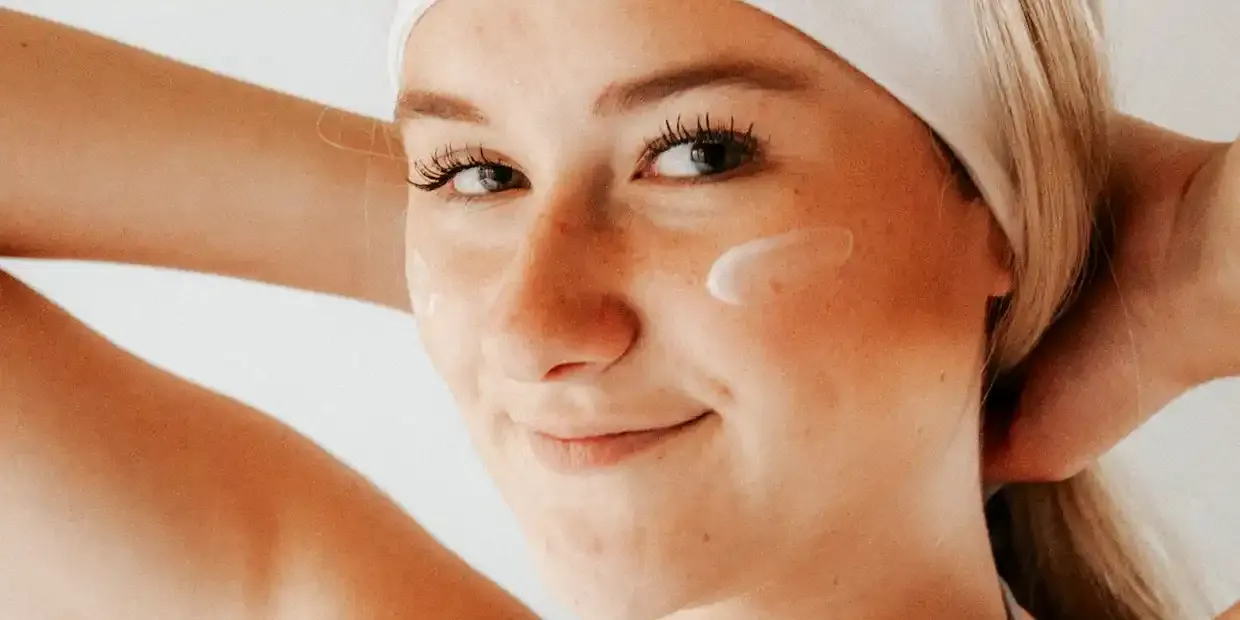
Snail mucin is easy, which is most of its appeal. Westlake Dermatology's guidance is to apply it onto damp skin after cleansing and toning, starting once daily and building to twice daily if your skin tolerates it.
- Go on damp, not dry. Cleanse, tone or mist, then apply while your face is still slightly tacky. Humectants work with available water, so giving them some to grab is the whole trick.
- Pat, do not rub. Press it in with your palms until it stops feeling wet. Rubbing a thin, slippery layer mostly moves it onto your hands.
- Thin to thick, always. Snail mucin belongs at the essence or serum step, before heavier creams and oils. Two light layers beat one heavy one.
- Morning and night both work. In the morning, finish with sunscreen, because the hydration you just layered on does far more for you when UV damage is not undoing it. The best Asian sunscreens are the lightest textures I have found for layering over a damp routine.
- Layer it with the gentle stuff freely. Westlake Dermatology says snail mucin pairs well with hyaluronic acid, niacinamide, ceramides, and peptides.
- Space out the strong stuff. Here the internet oversells it. Westlake Dermatology specifically advises spacing snail mucin apart from strong retinoids, high-strength acids, and benzoyl peroxide rather than stacking them in one sitting. I use my retinoid on its own nights and save snail mucin for the mornings after, when my skin wants a cushion.
- Cold is comfort, not efficacy. A chilled essence from one of the best beauty fridges feels lovely on a hot morning, but it does not make the ingredient work better.
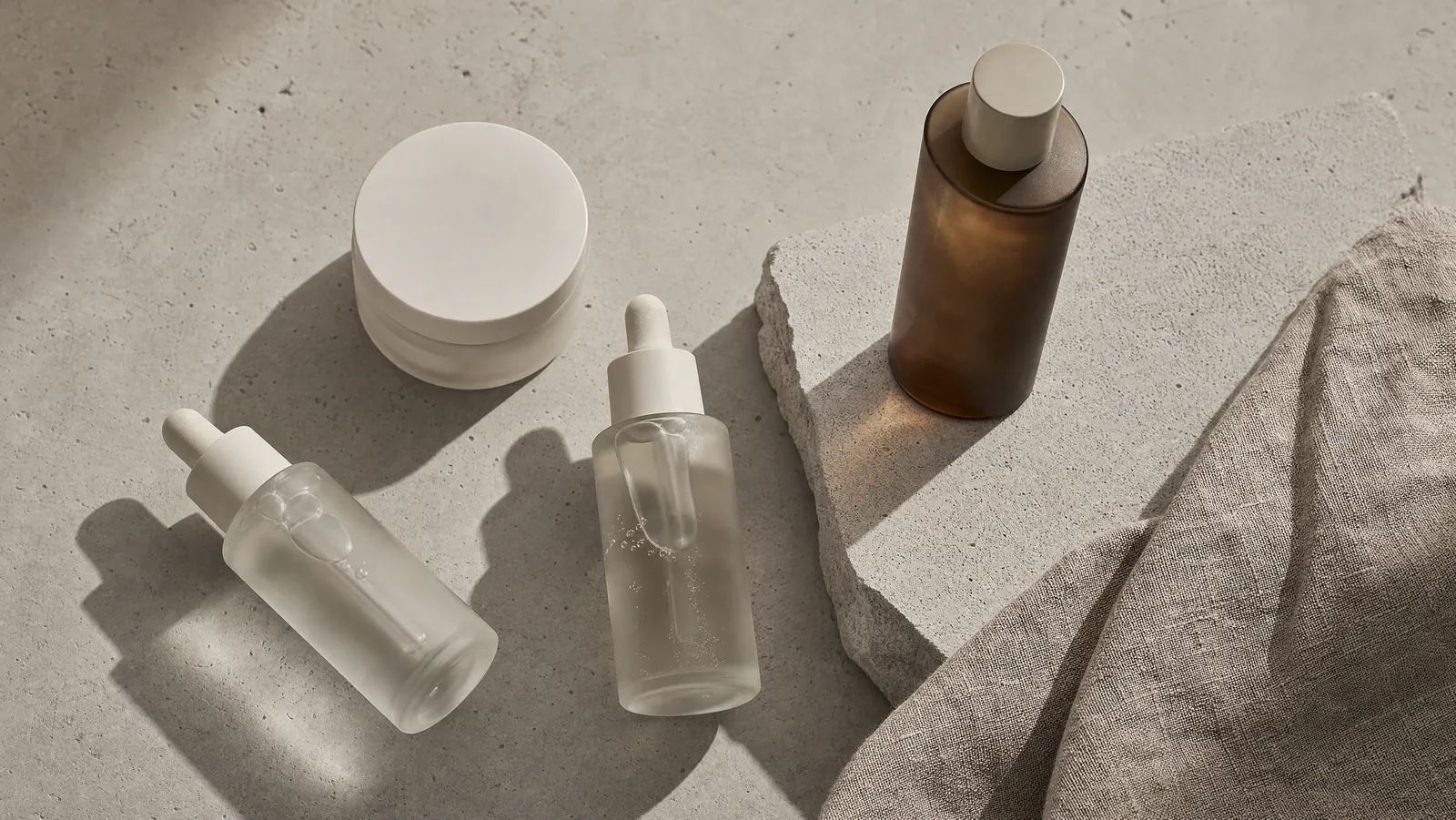
The ingredient went mainstream on the back of COSRX's snail essence, but the category is wider now, spanning watery toners, lightweight essences, silkier serums, and concentrated ampoules. I compared textures, filtrate percentages, and how each one layers in my roundup of the best Korean snail mucin essences and serums.
Who should be careful with snail mucin for skin
Patch test first, every time. Two days on your inner forearm or jaw before you commit it to your whole face. Mayo Clinic Press notes that snail mucins appeared safe for most people in the study it describes, with participants reporting no reactions, but Westlake Dermatology still notes that sensitivity or irritation is possible and rare allergic reactions can occur.
The shellfish allergy question deserves a real answer. Snails are gastropods, which makes them molluscs, not crustaceans. A 2024 narrative review of gastropod allergy explains that "shellfish" is used as an umbrella term for both crustaceans and molluscs, and that tropomyosin has long been recognized as the primary allergen in shellfish allergy. But the same review reports that tropomyosin's role in gastropods specifically is inconsistent across studies, and that current diagnostic methods may not accurately predict cross-reactivity between crustaceans and molluscs. It does not address topical or cosmetic exposure at all, and the 2024 Journal of Cosmetic Dermatology review lists insufficient allergy investigation as an open gap.
So the sources are genuinely equivocal. A crustacean allergy is not the same thing as a snail allergy, and there is no good data on how a leave-on snail filtrate behaves on either kind of allergic skin. If you have a diagnosed shellfish or mollusc allergy, talk to your allergist or dermatologist before you buy, and patch test regardless. Anyone telling you it is definitely fine, or definitely dangerous, is going past the evidence.
Skip it or wait if any of these apply. If you are vegan, the ingredient is animal-derived and there is no way around that. If your skin is actively flaring with painful acne, rosacea, or eczema, a board-certified dermatologist is a better next step than another essence, and this is not a substitute for treatment. For a similar calming feel without the animal ingredient, centella asiatica (cica) is the plant-derived K-beauty staple people reach for instead.
Frequently asked questions
Does snail mucin actually work, or is it hype? Both, depending on the claim. Hydration and reduced water loss are supported by human trials and show up within a day. Fine lines, elasticity, and texture have real 8-to-12-week data behind them, but from studies small enough that the researchers themselves ask for bigger trials. Acne, scarring, and pigmentation claims are the hype end.
How long does snail mucin take to work? Hydration is close to immediate, with measurable changes within 24 hours in the studies pooled by the Journal of Integrative Dermatology review. The slower benefits were measured at 8 and 12 weeks, so give it a full season before judging anything beyond hydration.
Is snail mucin safe if I am allergic to shellfish? Nobody can tell you yes with confidence. Snails are molluscs rather than crustaceans, cross-reactivity data between those groups is inconsistent, and research on topical snail products has not addressed allergy properly. Ask your allergist or dermatologist, and patch test.
Is snail mucin cruelty-free? It depends on the supplier, and a peer-reviewed 2024 review named ethical collection as an unresolved concern. Reputable methods let snails move freely across clean surfaces and collect what they leave behind. Note that cruelty-free labeling on a finished product speaks to animal testing, not to how the ingredient was gathered.
Can snail mucin clog pores or cause breakouts? I have not found comedogenicity data specific to snail secretion filtrate, so I would not promise either way. Some users report congestion, usually with richer ampoules rather than watery essences. Introduce it alone and give it two weeks.
Snail mucin earned its reputation the unglamorous way: it hydrates reliably, it feels good, and it rarely causes trouble. The research supports that modest version of the story rather than the miracle version, which is exactly why I still use it. Slot it in at the essence step and be patient with everything past hydration. For the full framework this step lives inside, the Next Gen Beauty K-beauty routine guide walks through every layer in order.
About the Author
Kelly Hyde
Kelly Hyde is a certified skincare specialist and beauty trend forecaster, and the founder of Next Gen Beauty Reviews. She spends her time testing the latest K-beauty launches, at-home beauty devices, and skincare tools so you do not have to, and only recommends products she would put in her own routine.