How to Get Glass Skin: The K-Beauty Routine for a Dewy Glow


Glass skin is exactly what it sounds like: a complexion so smooth, hydrated, and even that it catches light like a clean pane of glass. The Korean glass skin routine gets you there through deep hydration and gentle exfoliation, not filters and not one miracle product. I learned that the slow way, after months of patting thin, watery layers into my face and finally taking sunscreen seriously.
Some guides I link to contain affiliate links, and if you buy through them I may earn a small commission at no cost to you. Below I'll walk you through the exact routine step by step, from cleansing to SPF, plus the dermatology-backed reasons each layer matters. If you're new to K-beauty, it helps to first understand how to build a full Korean skincare routine, because glass skin is really just that framework taken one dewy step further.
What glass skin really is (and what it isn't)
Glass skin describes a finish, not a skin type. According to Schweiger Dermatology, the look comes from skin that is deeply hydrated, smooth in texture, and even in tone, so light bounces off it evenly instead of scattering across dry, flaky patches. Well-hydrated skin reflects light. Dehydrated skin absorbs and dulls it. That is the whole optical trick.
Two honest caveats before you start. First, "poreless" is a look, not a reality. You cannot shrink or erase pores, only keep them clear and make the surface smooth enough that they are less obvious. Second, glass skin is a state of hydration you maintain, not a cure for any skin condition. If you are dealing with active acne, rosacea, or persistent irritation, a board-certified dermatologist should be your first stop.
The Korean glass skin routine, step by step
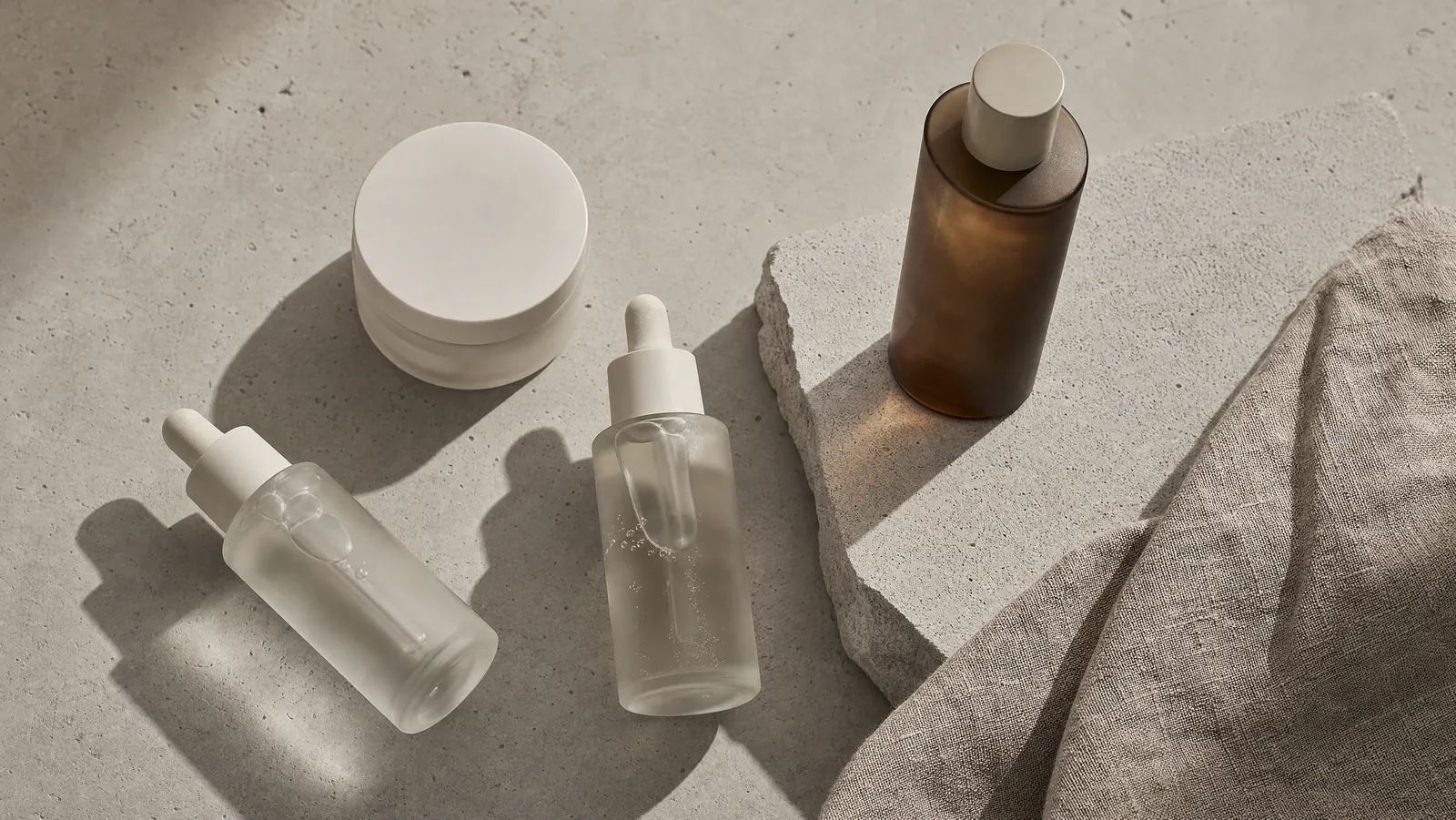
Here is the routine I actually follow. Morning and night share the same backbone, which is cleanse, hydrate, then seal. Exfoliation happens a couple of nights a week, and SPF happens every single morning. Go in order, and keep every layer thin so each one absorbs before the next.
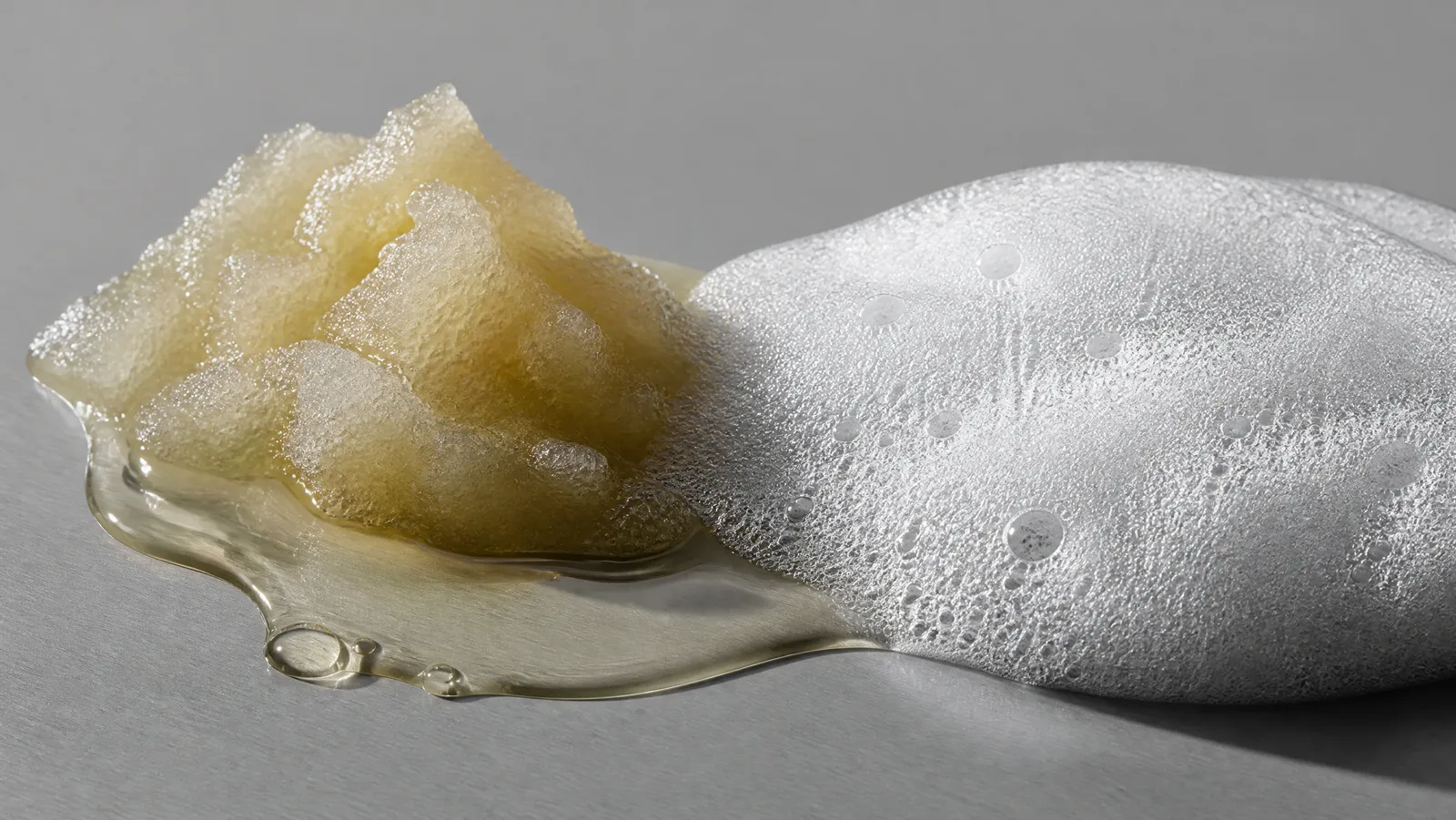
- Double cleanse at night. Start with an oil-based cleanser to melt off sunscreen and makeup, then follow with a gentle water-based gel or foaming cleanser to clear sweat and grime. This two-step method, known as the Korean double cleansing method, leaves skin genuinely clean without stripping it, which matters because a stripped barrier cannot hold the hydration glass skin depends on. In the morning, a splash of water or one mild cleanse is plenty.
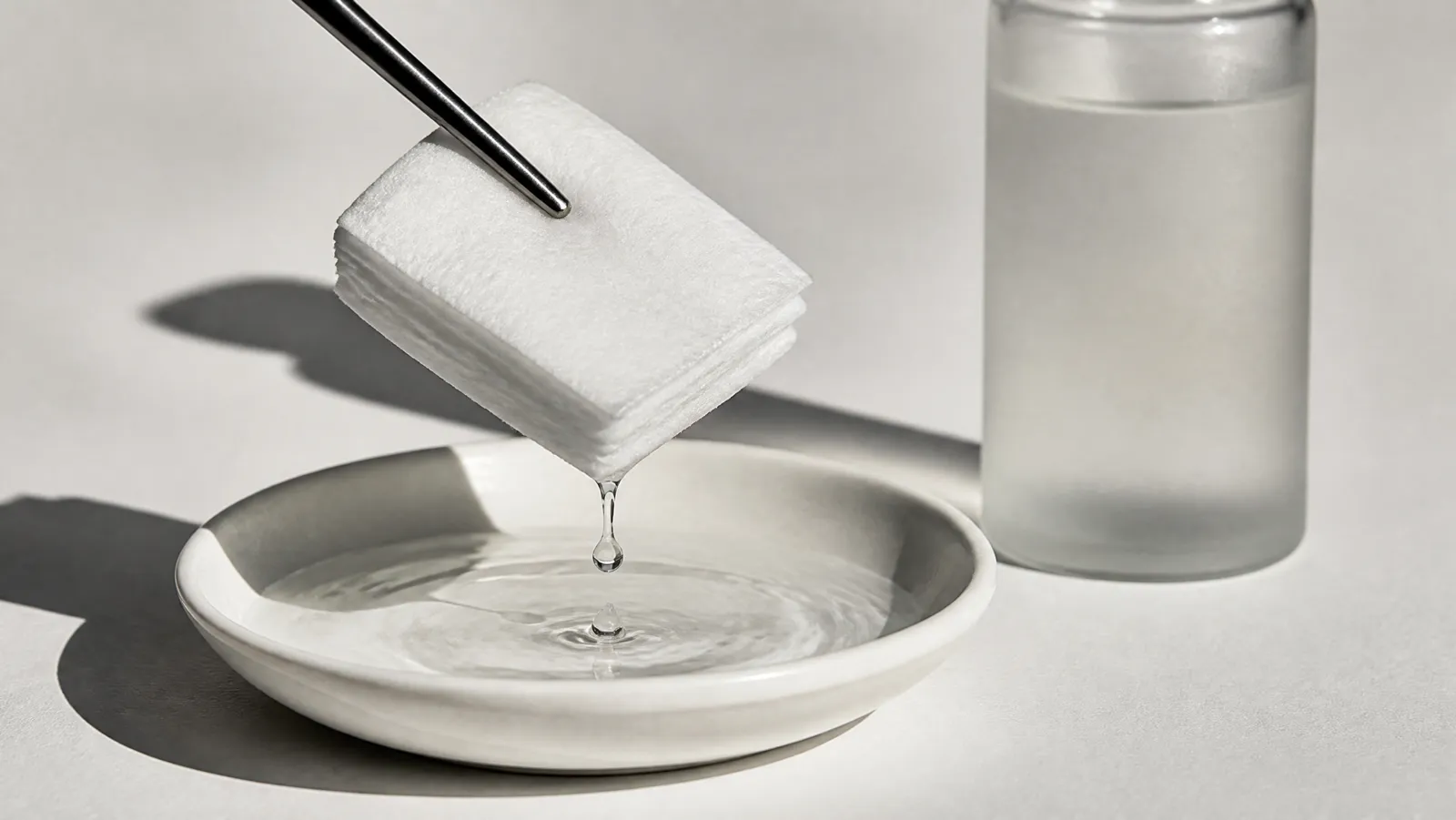
- Rebalance with a hydrating toner. Korean toners are not the astringent, alcohol-heavy formulas of the 1990s. They are watery, hydrating first layers that prep skin to drink in everything after, and I press mine in with my hands rather than a cotton pad. If you want to go deeper here, the best Korean toners lean on humectants like glycerin and hyaluronic acid instead of stripping actives.
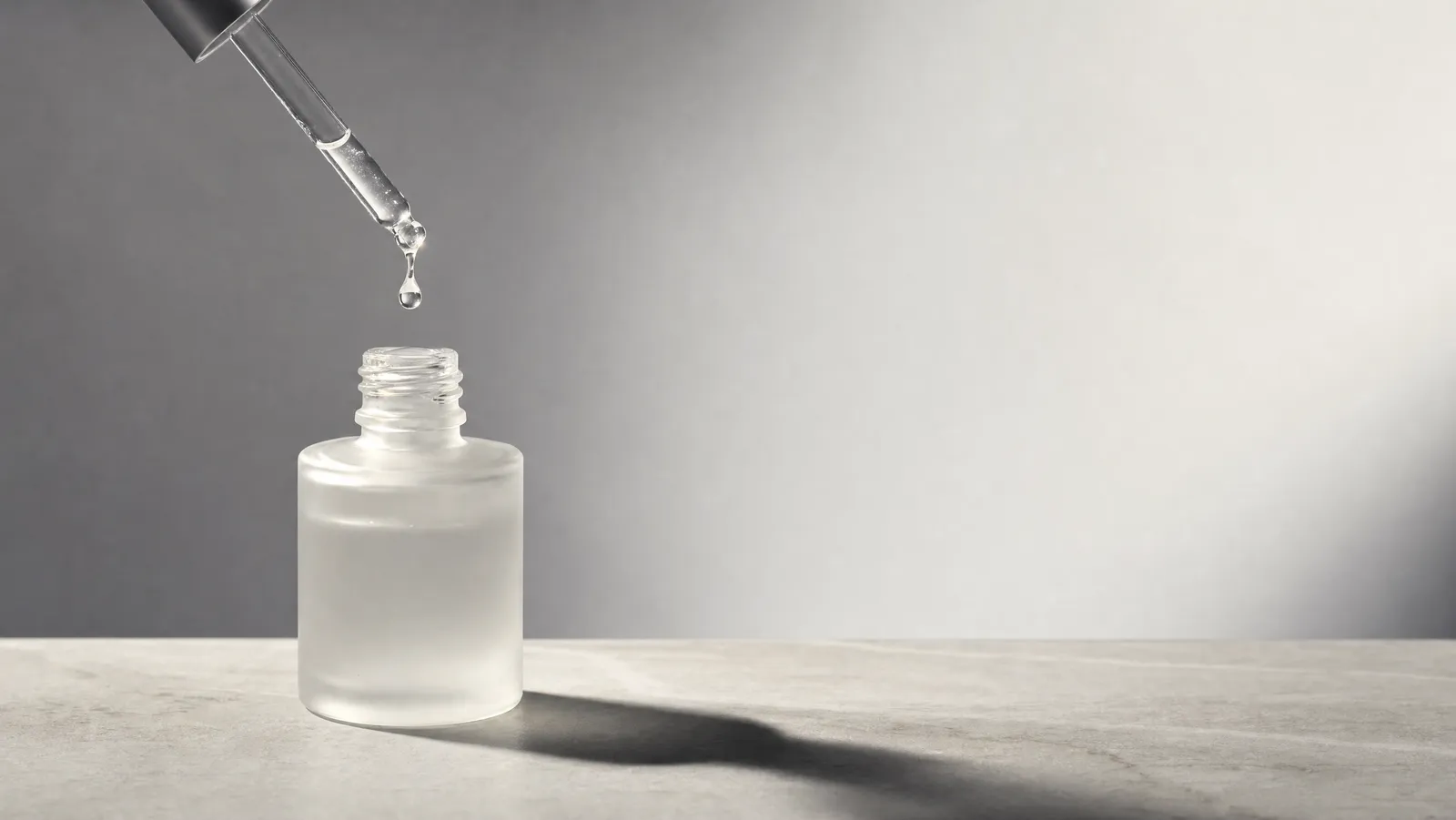
- Press in an essence or hydrating serum. This is the heart of the routine and the layer that does the most for that dewy, lit-from-within look. Apply a lightweight, water-based hydrator and pat until it disappears. More on why this step matters, and my favorite ingredient for it, just below.
- Seal it in with moisturizer. A moisturizer traps everything you just layered so the water does not simply evaporate. I like a formula with niacinamide, because the Cleveland Clinic notes that niacinamide can help strengthen the skin barrier and retain moisture, and it may also calm redness and help regulate oil.
- Add a few minutes of facial massage (optional). Gently massaging the serum in with your hands or a stone tool brings blood to the surface for a temporary flush and glow. If you enjoy it, one of the best gua sha tools makes the step feel like a mini facial.
- Finish the morning with SPF. This is non-negotiable and deserves its own section, so keep reading.
Why hydration is the whole game
If you take one thing from this guide, make it this: glass skin is built on water, held in place by the right ingredients. The star humectant is hyaluronic acid. As Harvard Health explains, hyaluronic acid is a humectant capable of binding over a thousand times its weight in water, which is exactly why it plumps and smooths the surface when you layer it on damp skin.
One catch worth knowing: a humectant pulls moisture from wherever it can, so in dry air it can draw water out of deeper skin if you do not seal it. That is why hydrating serums always go on before, not instead of, a moisturizer.
Snail mucin, a K-beauty staple, is another humectant-rich hydrator worth trying. According to a review indexed in the National Library of Medicine, the active substances in snail secretion filtrate may improve skin hydration, flexibility, and smoothness, though researchers stress the evidence is still emerging. If you want to shop this step thoughtfully, I rounded up the best Korean snail mucin essences and serums with notes on texture and how to layer them.
Go easy on the exfoliation
Gentle exfoliation is what keeps the surface smooth enough to reflect light, but this is the step people overdo, and it backfires fast. Westlake Dermatology warns that over-exfoliating strips the skin's natural oils and can damage the barrier, leaving skin dry, red, and irritated. Ironically, that damage makes glass skin impossible, because a compromised barrier cannot hold water.
Keep it light. Most dermatologists suggest exfoliating only one to three times a week, and sensitive skin may want even less. A mild chemical exfoliant like a low-percentage AHA or PHA usually beats a gritty scrub, and if your skin ever stings, flakes, or looks tight, that is your cue to pull back and focus on hydration for a while.
The morning step that protects it all: SPF
You can layer every serum on the shelf, but without daily sun protection the glow will not last, and the damage compounds over time. The American Academy of Dermatology recommends a broad-spectrum, water-resistant sunscreen with an SPF of 30 or higher, and notes that sunscreen can also help prevent premature skin aging such as wrinkles and age spots caused by too much unprotected UV exposure.
Korean and Japanese sunscreens are famous for lightweight, almost weightless textures that layer beautifully over a hydrating routine, which makes the daily habit far easier to keep. If you want specific recommendations, see my guide to the best Asian sunscreens. Reapply through the day when you can, and treat SPF as the last step of every single morning.
How long does it take to get glass skin?
Be patient and realistic. The plumped, dewy hydration glow can show up within a week or two of layering consistently, because that part is largely about water in the skin. Smoother texture and more even tone take longer, often a couple of months, since skin cells turn over gradually. Nobody's skin looks like polished glass every day, and hormones, sleep, and weather all play a role, so aim for healthy and hydrated rather than flawless.
Frequently asked questions
What is the Korean glass skin routine, in the simplest terms?
Cleanse thoroughly but gently, layer lightweight hydration (toner, then essence or serum), seal it with moisturizer, exfoliate lightly a couple of times a week, and protect with SPF every morning. That is the entire framework. Everything else is refinement for your specific skin.
Can I get glass skin with oily or acne-prone skin?
Yes, because hydration is not the same as heaviness. Reach for water-based, humectant-rich textures and gel moisturizers rather than thick, greasy creams, and do not skip moisturizer just because you are oily, since a dehydrated barrier can actually trigger more oil. If you have active, painful breakouts, see a dermatologist before piling on products.
Do I really need every step?
No. The minimum viable version is a gentle cleanser, a hydrating serum, a moisturizer, and sunscreen. The extra K-beauty layers add polish and are genuinely enjoyable, but consistency with the basics beats an elaborate routine you abandon in a week.
Is snail mucin necessary for glass skin?
Not necessary, just one good option. It is a hydrating, humectant-rich ingredient many people love for that dewy finish, but hyaluronic acid, glycerin, and other humectants get you to the same place. Choose what feels good on your skin and what you will actually use.
Glass skin is not a product you buy, it is a habit you keep. Hydrate in thin layers, exfoliate lightly, protect every morning, and give it a few weeks. If you want the bigger picture this routine sits inside, the Next Gen Beauty Korean skincare guide walks through every step and how to tailor it to your skin type. Start with one change tonight, a proper double cleanse followed by a hydrating serum, and let the glow build from there.
About the Author
Kelly Hyde
Kelly Hyde is a certified skincare specialist and beauty trend forecaster, and the founder of Next Gen Beauty Reviews. She spends her time testing the latest K-beauty launches, at-home beauty devices, and skincare tools so you do not have to, and only recommends products she would put in her own routine.