The Best Korean Skincare Routine: A Complete K-Beauty Guide

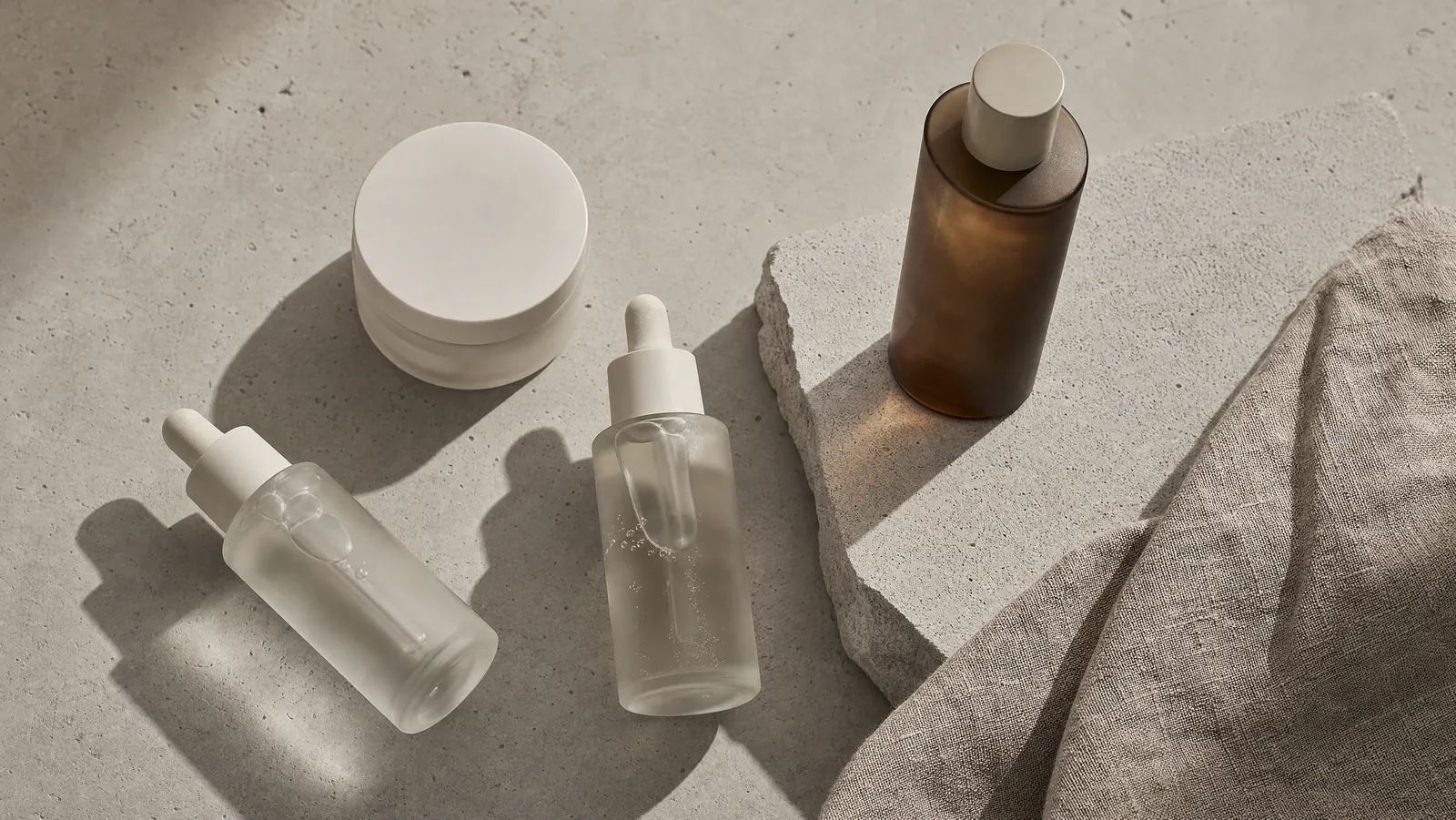
The best Korean skincare routine isn't ten steps you grind through every night. At its heart it's a flexible, hydration-first system: you cleanse gently, layer thin watery products before rich ones, and protect your skin barrier so it can do its own repair work. Build it up or pare it down depending on your skin and your energy that day.
I'm Kelly Hyde, and K-beauty is what pulled me into skincare in the first place. This guide is the hub for everything I've learned about a Korean skincare routine, from the double cleanse to essences and serums, snail mucin, cica, and the famous glass skin look, plus tailored routines for oily, dry, and beginner skin and a stripped-down version for the guys. I'll link out to deeper guides on each topic as I publish them, and to a few tools I actually use, like the best Asian sunscreens for that non-negotiable final morning step. Some guides I link to contain affiliate links; I may earn a small commission at no cost to you.
Why the Korean skincare routine works
The magic of K-beauty isn't a secret ingredient. It's a philosophy: prioritize hydration and barrier health first, then add targeted actives slowly. Instead of blasting your face with strong acids and retinoids every night, you build a cushion of moisture and let gentler ingredients work over time.
That layering approach has real logic behind it. Skincare hydrators fall into three buckets: humectants that pull water into the skin, emollients that smooth and soften, and occlusives that seal everything in. According to a dermatology skincare guide from RemedySkin, humectants like glycerin and hyaluronic acid work best applied to slightly damp skin, and they need an occlusive layer on top, or in dry air they can actually draw water out of the skin. That's exactly why a Korean routine goes thinnest to thickest: watery toner and essence first, richer serum and cream last.
The other shift is thinking in cycles, not marathons. You don't need all ten steps every single night. Some evenings are a full ritual; others are a double cleanse, a hydrating toner, and moisturizer. Rotating your actives, a technique often called skin cycling, gives your barrier room to recover, which is the whole point.
Step one: the double cleanse
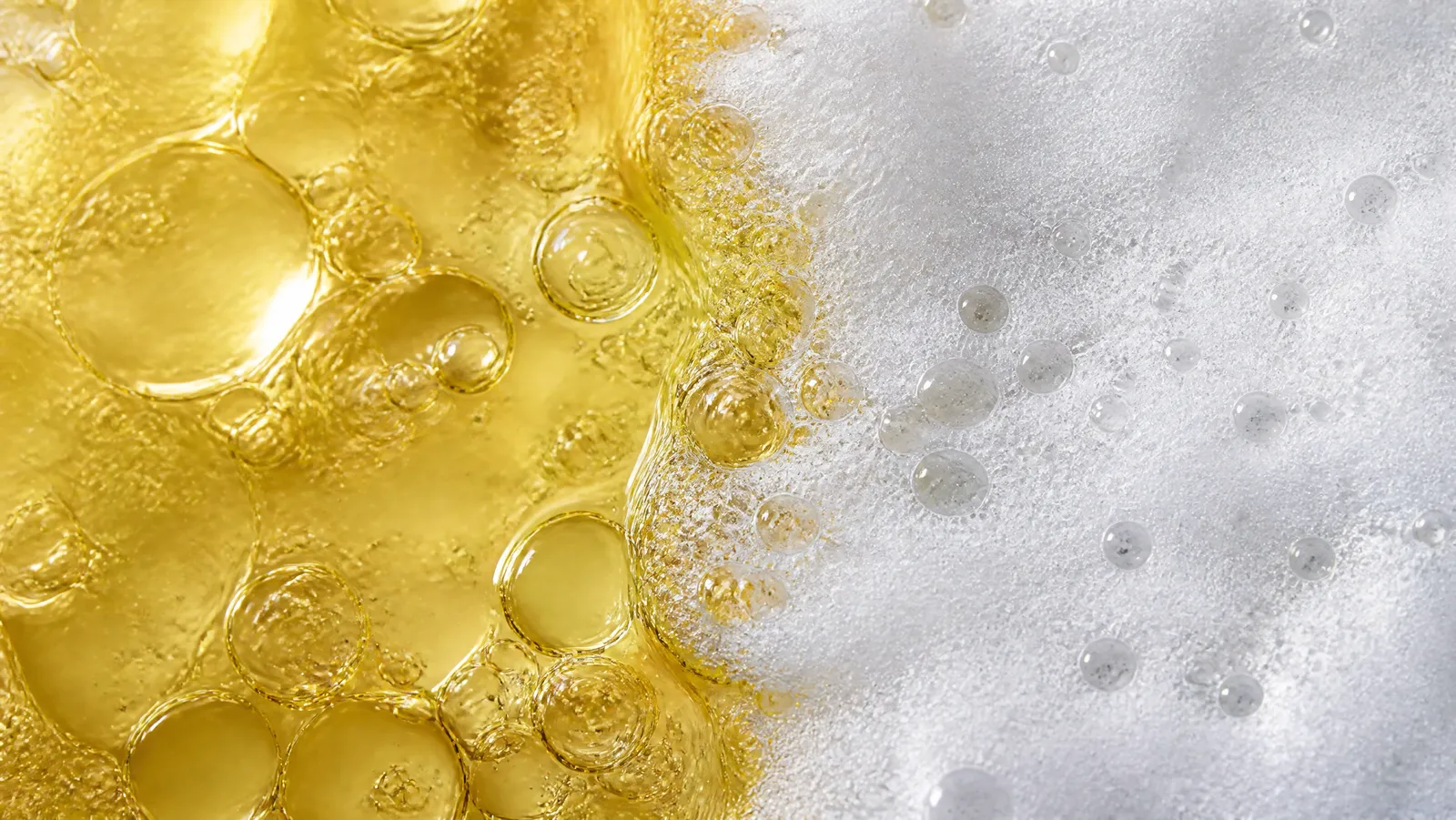
If you wear sunscreen and makeup, and you should be wearing sunscreen, one cleanser usually isn't enough. The Korean double cleansing method solves this by washing your face twice, in a specific order: first an oil-based cleanser, then a water-based one.
According to Cleveland Clinic, the first step uses an oil-based cleanser to break down oil-soluble grime, meaning makeup, sunscreen, and the excess sebum your skin produces during the day. The second step, a water-based (usually foaming or gel) cleanser, clears away sweat, dirt, and anything the oil left behind. Because the surface is genuinely clean, Cleveland Clinic notes that the products you apply afterward may absorb more evenly.
A few honest caveats. Double cleansing is a nighttime move; in the morning, most people only need a quick water rinse or a single gentle wash. And it isn't mandatory for everyone. If your skin runs dry or sensitive, cleansing twice can strip it, so pay attention to how your face feels afterward. It should feel comfortable and soft, never tight or squeaky. If you only wear a light moisturizer and SPF, a single thorough cleanse at night may be all you need.
Cleansers and oil cleansers
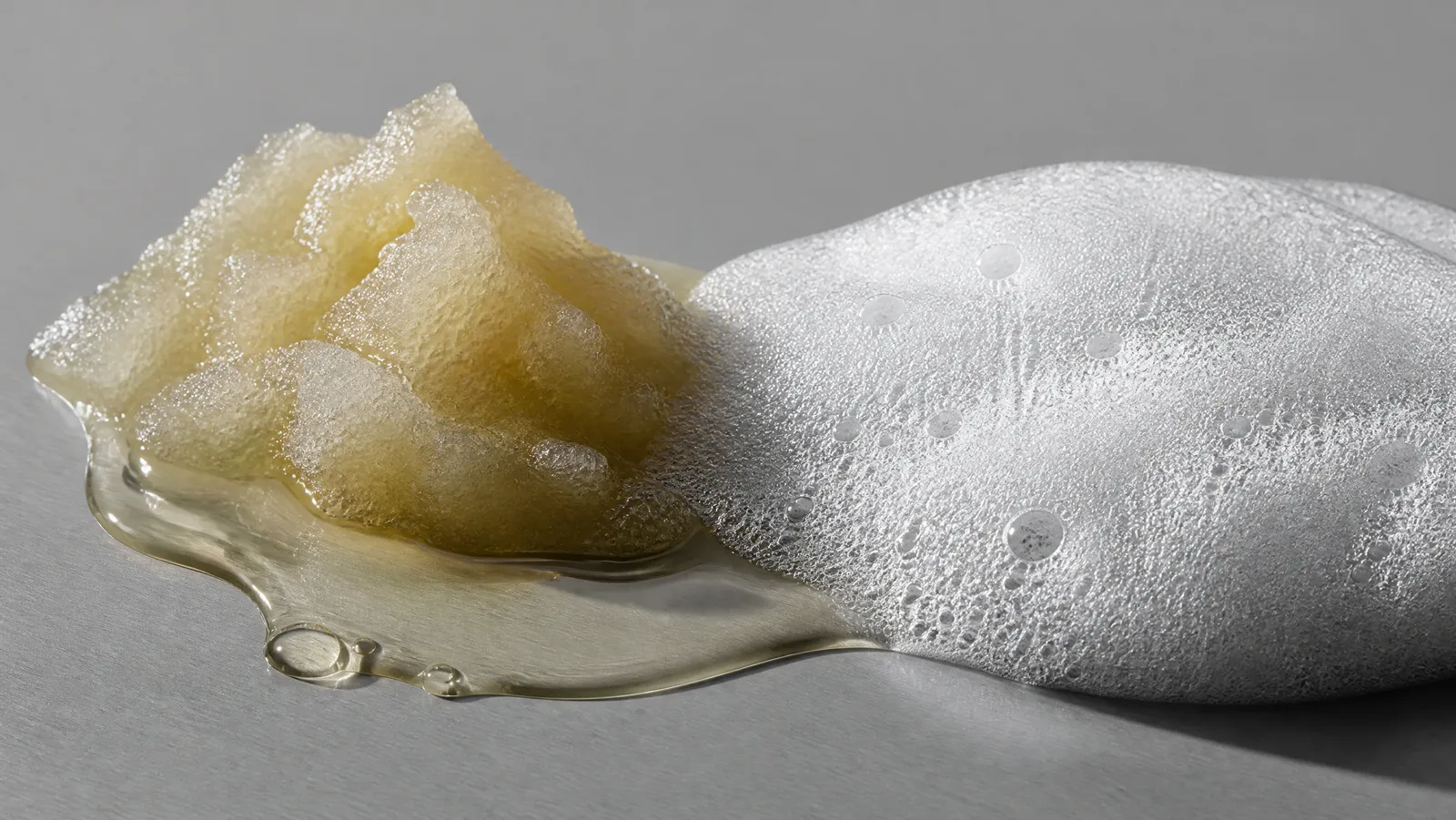
Your cleanser sets the tone for the whole routine, and this is one area where K-beauty really shines. Oil cleansers come as balms that melt on contact or as lightweight oils that emulsify into a milk when you add water. Both rinse clean without that stripped feeling, which is why they've become the gold standard first step.
For the second cleanse, look for a low-pH, gentle formula. Our skin's surface is slightly acidic, and a high-pH foaming wash can disrupt that and leave skin tight. Many of the best Korean cleansers are built around this idea: low-pH gels, cream cleansers with ceramides, or mild rice- and green-tea-based foams that clean without over-drying.
A quick way to choose: match the cleanser to your skin, not the marketing. Oily and acne-prone skin tends to like a lightweight gel or a lightly foaming low-pH wash. Dry and sensitive skin does better with a cream or milk cleanser that leaves a little slip behind. Combination skin can double cleanse at night and use whichever gentle option feels best in the morning. Whatever you pick, the test is the same: your skin should feel clean and calm, not squeaky.
Toners and toner pads
Here's where Korean and Western skincare part ways. A traditional Western toner was often astringent and alcohol-heavy, designed to tighten pores and remove leftover residue. Korean toners do close to the opposite: they hydrate, they prep the skin, and they lay down the first thin layer of moisture for everything that follows.
Most of the best Korean toners are watery, lightly viscous, and packed with humectants like glycerin, hyaluronic acid, or fermented extracts. You pat a few drops into damp skin with your hands right after cleansing. Some people use the "7 skin method," layering a hydrating toner three to seven times to build up serious dewiness, though two or three passes is plenty for most of us.
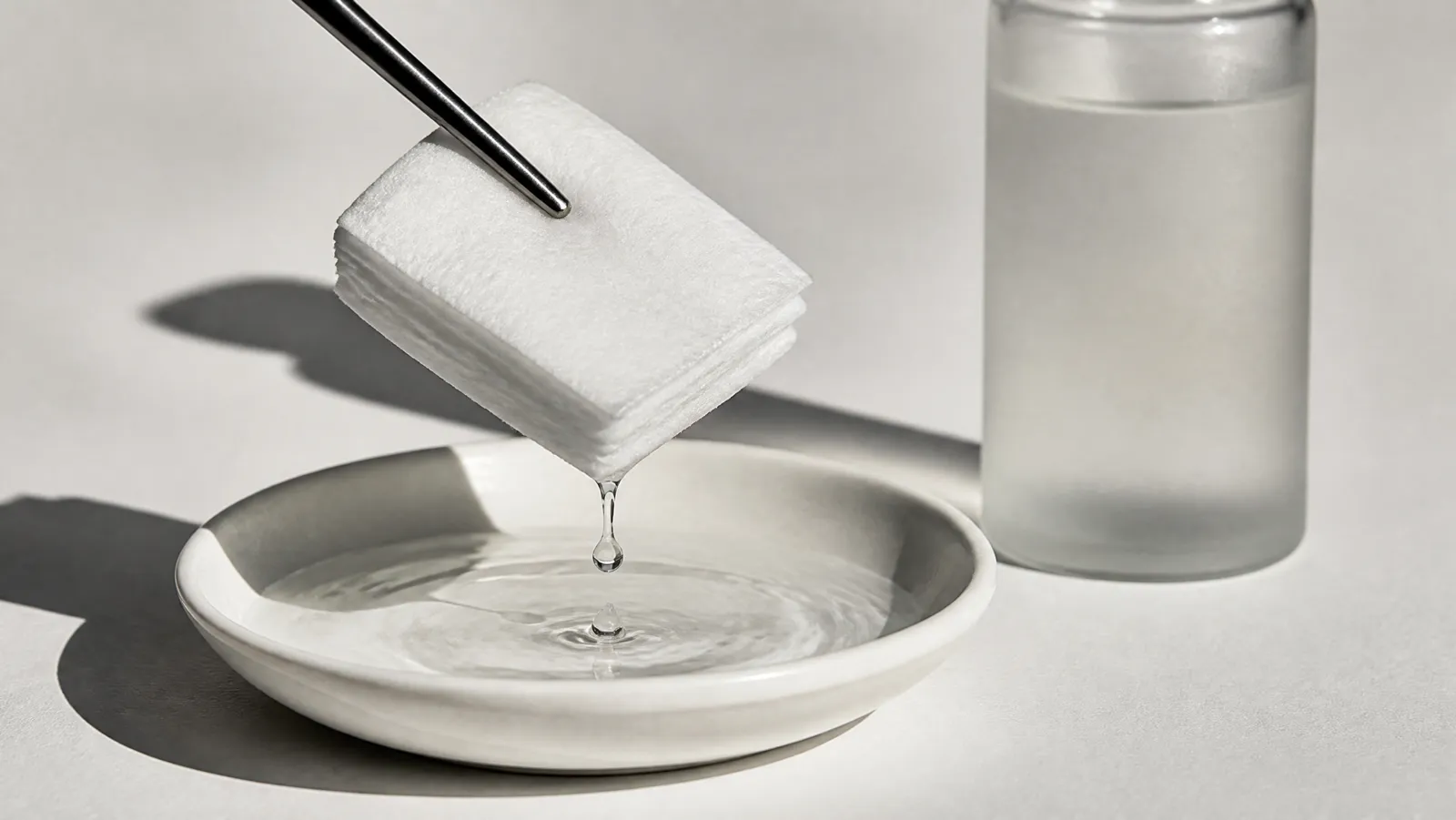
Toner pads are the convenient cousin. These pre-soaked cotton rounds are saturated with toner or a mild exfoliating essence, so you get hydration and a gentle wipe in one step. Look for pads soaked in soothing ingredients if your skin is reactive, or ones with a low percentage of PHA or BHA if you want light, regular exfoliation. Just don't stack strong exfoliating pads with other acids on the same night, since that's how you tip a barrier over the edge.
Essences, serums, and ampoules
This trio confuses almost everyone, so let's clear it up. Understanding the difference between essences, serums, and ampoules mostly comes down to concentration and texture, not hard scientific categories.
An essence is the lightest of the three: typically a watery, lightly hydrating step that comes right after toner. It's meant to be layered generously and to prep skin for stronger products. A serum is more concentrated and targeted; this is where you'll find higher doses of actives like niacinamide, vitamin C, or peptides aimed at a specific concern such as brightening or fine lines. An ampoule is essentially a serum turned up to eleven: a smaller bottle, a higher concentration, and often something you use as a short booster course when your skin needs extra help.
In practice the lines blur, and brands use the names loosely. My rule of thumb: apply them thinnest to thickest, give each layer a few seconds to sink in, and don't pile on five actives at once. One or two well-chosen treatments per routine will do far more than a shelf's worth of half-used bottles. If a product doesn't tell you what it's for, that's usually a sign to skip it.
Snail mucin and PDRN essences
Two ingredients define the current wave of K-beauty essences: snail mucin and PDRN. Both have a slightly odd origin story and a devoted following.
Snail mucin, labeled as snail secretion filtrate, is the gel a snail produces to protect and repair itself. In skincare it's prized as a lightweight, cushiony hydrator that plays well with almost everything. If you want to go deeper, I've rounded up the best Korean snail mucin essences and serums in a dedicated guide.
PDRN is the newer arrival. Short for polydeoxyribonucleotide, it's made from fragments of DNA, most often sourced from salmon. According to a published scientific review, PDRN has been studied as a skin-rejuvenation agent that may support skin elasticity and the appearance of wrinkles, though the authors note that more clinical research is still needed. Treat it as a promising booster, not a miracle.
One practical tip for both: these watery essences feel incredible chilled, and cold storage can make the experience more soothing on puffy or reactive skin. A small cold box like a beauty fridge keeps them cool without the temperature swings of a bathroom shelf. Store your actives somewhere stable and out of direct sun.
What snail mucin actually does
So what snail mucin does for your skin, exactly, comes down mostly to hydration and barrier support. According to cosmetic-ingredient research, snail secretion filtrate naturally contains glycoproteins, hyaluronic acid, and glycolic acid, along with trace minerals like zinc and copper.
That combination is why fans love it. The hyaluronic acid is a powerful humectant that helps bind water in the skin, so snail mucin tends to leave skin plump and dewy rather than greasy. The glycoproteins may help support the skin's own repair processes, and the small amount of glycolic acid offers very mild exfoliation over time. Many people with redness, dryness, or a stressed barrier find it soothing.
A dose of realism: most of the strongest evidence so far comes from lab and small studies, and what happens in a bottle is gentler than any clinical trial. Snail mucin may help your skin look smoother and feel more hydrated, and it may support the barrier, but it won't erase deep wrinkles or replace treatment for a skin condition. If you have a shellfish or specific allergy concern, patch test first. Used as a daily hydrating layer, though, it's one of the easiest K-beauty steps to love.
Centella and calming ingredients
If your skin gets angry easily, this is your category. Centella asiatica (cica) in Korean skincare is everywhere, and for good reason: it's the go-to soothing ingredient for redness, sensitivity, and a compromised barrier.
Centella is a herb also known as gotu kola, and cica products are built around its extracts. According to a dermatology research review, centella's key active compounds, including asiaticoside, madecassoside, asiatic acid, and madecassic acid, have shown anti-inflammatory and antioxidant activity and may support wound healing and skin-barrier repair. That's why you'll see cica creams marketed for irritation and post-blemish recovery.
Centella has good company in the calming aisle. Niacinamide, a form of vitamin B3, is another K-beauty staple. According to Practical Dermatology, niacinamide can strengthen the skin barrier and reduce water loss by boosting ceramide production, and it works downstream of the pigment-making process to help fade dark spots, typically at concentrations around 2 to 5 percent. Panthenol, madecassoside, and mugwort round out the usual soothing lineup. If a routine ever leaves your face stinging or flushed, dialing back the actives and leaning on these calming ingredients for a week is almost always the fix.
The glass skin goal
Glass skin is the look K-beauty is famous for: a complexion so smooth and hydrated it seems to reflect light, like a pane of glass. Dermstore describes glass skin as skin that's dewy, luminous, and poreless-looking, and the through-line is hydration rather than a full face of makeup.
So how to get glass skin without chasing an impossible standard? It comes down to consistency in the fundamentals: gentle cleansing, layered hydration (toner, essence, serum), a barrier-supporting moisturizer, and, every single morning, sunscreen. Even, well-hydrated skin with an intact barrier reflects light more uniformly, which is what reads as "glass."
The finishing touches are where the tools come in. A few minutes of facial massage with gua sha tools can de-puff and boost circulation for a temporarily more sculpted, awake look. On slower evenings, some people add a treatment step with LED face masks, which use specific light wavelengths that may support skin over time. Neither is required for glass skin, and neither works overnight, but paired with a hydration-first routine they're a pleasant way to lean into the ritual. Genetics and pores are real; the goal is your skin, healthier, not someone else's face.
A routine for oily, acne-prone skin
Oily and breakout-prone skin does beautifully with K-beauty, as long as you resist the urge to strip it. A Korean skincare routine for oily, acne-prone skin should be lightweight and barrier-friendly, not harsh, because over-drying just triggers more oil and more irritation.
Morning: a gentle low-pH gel cleanser, a hydrating toner, a lightweight niacinamide serum, an oil-free gel moisturizer, and sunscreen. Niacinamide is a smart pick here because, as noted above, it supports the barrier and can help with post-blemish marks without the sting of stronger actives. Night: double cleanse to clear sunscreen and sebum, then hydrate, then treat.
For active breakouts, a BHA (salicylic acid) a few nights a week can help keep pores clear, since it's oil-soluble and gets into the pore lining. Introduce it slowly, two nights a week to start, and never layer it with every other acid you own. Snail mucin and centella both make excellent lightweight hydrating layers for this skin type because they add moisture without heaviness. And skip the myth that oily skin doesn't need moisturizer; going without usually backfires. Keep textures gel-light, keep it consistent, and let the barrier calm down.
A routine for dry, dehydrated skin
First, a distinction that changes everything: dry skin lacks oil, while dehydrated skin lacks water, and you can be oily and dehydrated at the same time. A Korean skincare routine for dry skin (and dehydrated skin) leans into layered humectants sealed under something richer.
Morning: a creamy or milky cleanser or just a water rinse, a hydrating toner patted in while skin is damp, an essence, a hydrating serum, then a richer moisturizer and sunscreen. Night: the same, with an oil or a heavier cream as your last step to lock everything in. Remember the layering logic: humectants first on damp skin, then emollients and an occlusive on top, or the water you just added can simply evaporate away.
This is snail mucin's moment to shine, layered under your cream for extra cushiony hydration. Facial oils and ceramide-rich moisturizers are your friends, and a sleeping mask a couple of nights a week can act as an overnight occlusive. If your skin is flaky and tight, resist harsh exfoliation, which usually makes dehydration worse. Fix the barrier first with consistent moisture, and only reintroduce actives once your skin feels comfortable again.
Korean skincare for men
Skin is skin, and none of this is gendered, but if you want the shortest path in, here's a simple Korean skincare routine for men that covers the essentials without a ten-step commitment.
Morning: splash with water or a gentle cleanser, pat on a hydrating toner or an all-in-one moisturizer, and finish with sunscreen. That's three steps and maybe ninety seconds. Night: cleanse (double cleanse if you've worn sunscreen all day), then moisturize. Add one treatment, like a niacinamide serum or a snail mucin essence, only once the basics are a habit.
A couple of tips specific to the guys. If you shave, your barrier takes a daily beating, so a soothing, fragrance-light moisturizer with centella or panthenol can calm post-shave irritation. And sunscreen genuinely is the highest-return step for anyone who spends time outdoors; it's the closest thing skincare has to anti-aging insurance. The whole appeal of K-beauty here is that it's low-effort and forgiving. Nail cleanse, hydrate, and protect, and you've already done more for your skin than most people ever will. Everything else is optional polish you can add whenever you feel like it.
Starting out: a beginner routine
If all of this feels like a lot, breathe, because it should. Korean skincare for beginners is not about buying twelve products at once. Start with four steps and add only when you feel a genuine need.
The starter routine: a gentle cleanser, a hydrating toner or essence, a simple moisturizer, and a broad-spectrum sunscreen for the daytime. Use that morning and night (SPF in the morning only) for two to three weeks before you change anything. Your skin needs time to tell you what's working.
When you're ready to level up, add one product at a time and give each two to four weeks. That patience is what lets you spot the one ingredient that breaks you out, instead of throwing away five products in frustration. Start with a hydrating essence like snail mucin, or a calming cica step if you run sensitive, before you reach for stronger actives. Patch test new products on your inner arm or jaw first. And keep expectations honest: skincare rewards consistency over months, not overnight miracles. The best routine is the one you'll actually do every day, and a boring four-step routine you keep beats a ten-step routine you abandon.
Frequently asked questions
How many steps does a Korean skincare routine really need?
As many or as few as your skin needs; the "10-step" number is a guideline, not a rule. A complete routine can run from double cleanse through toner, essence, serum, moisturizer, and sunscreen, but a perfectly good one is just cleanse, hydrate, moisturize, and protect. Build up only when you have a specific concern to address.
What order do I apply everything, morning versus night?
The universal rule is thinnest to thickest. A typical order: cleanser, toner, essence, serum or ampoule, moisturizer, and then sunscreen in the morning or a heavier cream or oil at night. Sunscreen is always the last step of your morning routine and is for daytime only. At night you swap SPF for your richest occlusive layer and can add treatments like exfoliating acids.
How long before I see results?
Give it time. Hydration can look better within days, but real change in tone, texture, or breakouts usually takes at least four to twelve weeks, since skin cell turnover runs on roughly a monthly cycle. If a product hasn't helped after two to three months of consistent use, it's fair to move on.
Is a Korean skincare routine worth it?
If you enjoy it and stick with it, yes, but the value is in the habits (gentle cleansing, layered hydration, daily sunscreen), not in owning specific products. You can get most of the benefit from a handful of well-chosen items. Expensive shelves don't beat consistent basics.
Can I skip steps when I'm tired or traveling?
Absolutely. The two steps I'd never skip are cleansing at night and sunscreen in the morning; everything else is flexible. Skin cycling, meaning rotating actives and taking rest nights of just cleansing and moisturizing, is a feature, not a failure. A simpler routine you actually keep up beats a perfect one you abandon.
Explore the full series
- The Best Korean Snail Mucin Essences and Serums — The K-beauty hydration hero, tested — our favorite snail essences, serums, and ampoules.
- How to Get Glass Skin: The K-Beauty Routine for a Dewy Glow — The hydration-first routine for a dewy, luminous, poreless-looking finish.
- Snail Mucin for Skin: Benefits, Uses, and What the Research Shows — What snail secretion filtrate actually does, with the benefits ranked by how strong the evidence is.
- The Best Korean Toners for Hydration and Glass Skin — Rice toners, toner pads, and hydrating first layers — our picks for the step right after cleansing.
- Korean Double Cleansing: How the Oil-Plus-Water Method Works — Why the oil-then-water method works, how to do it properly, and when to skip it.
- The Best Korean Cleansers and Oil Cleansers for Every Skin Type — Balms, oils, and low-pH gels — the two cleansers a Korean routine actually needs.
About the Author
Kelly Hyde
Kelly Hyde is a certified skincare specialist and beauty trend forecaster, and the founder of Next Gen Beauty Reviews. She spends her time testing the latest K-beauty launches, at-home beauty devices, and skincare tools so you do not have to, and only recommends products she would put in her own routine.